
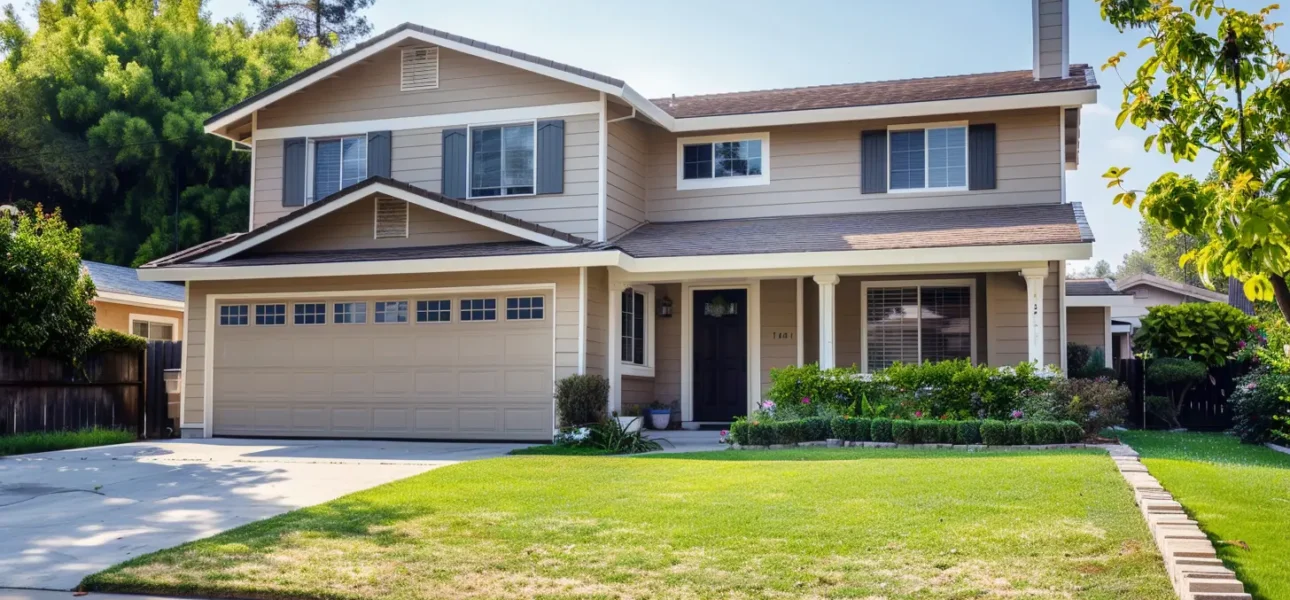
Dry rot repair in Sacramento typically costs between $300 and $5,000, depending on how extensive the damage is. But if structural elements like joists or rim boards are affected, you could be looking at $8,000 or more.
As a Sacramento-based general contractor who’s handled hundreds of dry rot repairs, we know how shocking these estimates can be. The good news? We’ll walk you through exactly what affects the price, what you can expect to pay for different damage levels, and how to catch dry rot early before it becomes a catastrophic (and expensive) problem.
Quick Cost Breakdown by Damage Level
Here’s what you’re typically looking at in Sacramento:
| Damage Level | Cost Range | What’s Affected |
|---|---|---|
| Minor | $300–$800 | Small trim, fascia, window frames, corner boards |
| Moderate | $800–$2,500 | Siding panels, deck boards, small beam sections |
| Severe/Structural | $2,500–$8,000+ | Joists, subfloor, rim boards, major structural repairs |
The actual cost for your home depends on several factors we’ll break down below. But here’s the reality: catching dry rot early can save you 60–80% of the repair costs compared to waiting until it spreads.
What Causes Dry Rot in Sacramento?
Dry rot is caused by wood-decay fungi, most commonly Serpula lacrymans and related species. Despite the name, dry rot actually requires moisture to survive—specifically, wood that has more than 19% moisture content.
Sacramento’s climate is perfect for creating dry rot conditions:
- Wet winters (November–March): Rain and fog keep wood damp for months
- Hot, dry summers: Heat and sun exposure cause the wood to dry out partially, but not completely
- Wet-dry cycle: This continuous moisture fluctuation accelerates fungal growth and wood decay
The fungus eats away at wood fibers, destroying the structural integrity of whatever it infects. It spreads through wood-to-wood contact and can travel through mortar or concrete if the conditions are right. That’s why a small patch of rot can quickly become a much larger problem if left untreated.
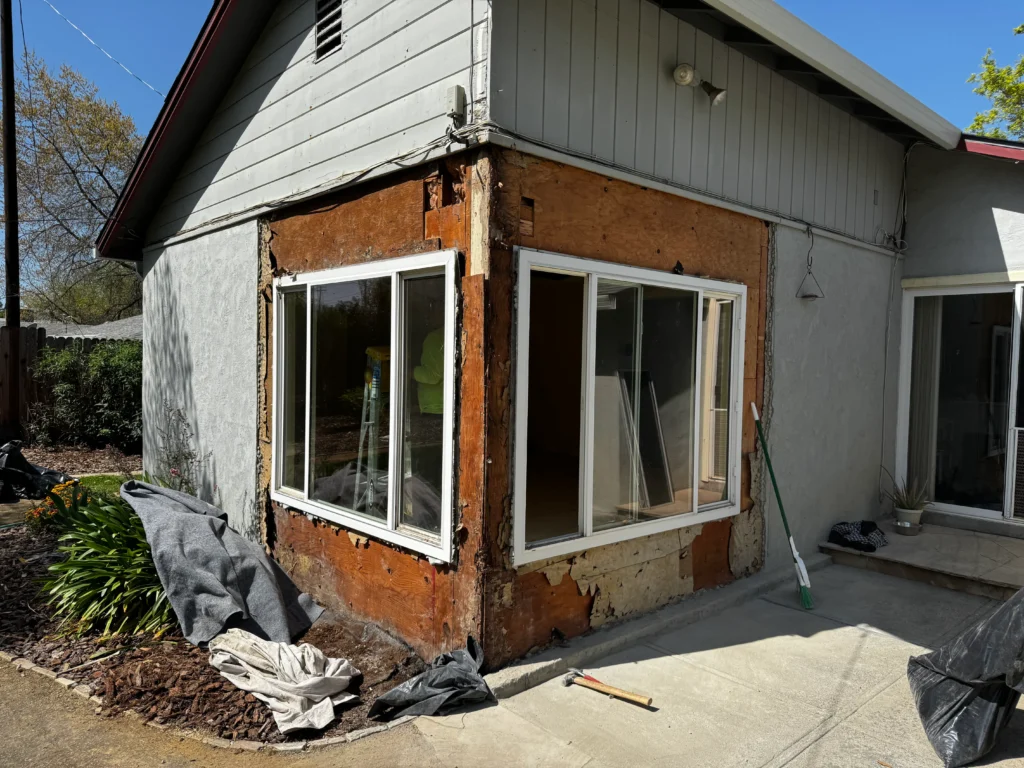
Signs of Dry Rot: Is Your Sacramento Home at Risk?
Early detection is your best defense. Here are the warning signs to watch for:
- Wood feels soft or spongy when you press on it
- Dark brown or black discoloration on wood surfaces
- Wood crumbles or crumbles easily when you poke it with a screwdriver
- Musty, earthy smell coming from walls, crawlspace, or attic
- Paint bubbling, peeling, or splitting on exterior wood
- Visible cracks or gaps in wood trim or siding
- Swelling or warping of wood members
- Fungal growth or spore patterns (gray, white, or yellow threads)
If you notice any of these signs, don’t wait. The cost of a professional inspection today is far less than the cost of structural repairs six months from now.
Factors That Affect Your Dry Rot Repair Cost
The final price tag depends on several variables:
1. Extent of Damage
A small 2-foot section of trim costs far less than dry rot that’s spread through multiple siding panels or into the structural frame. Our team assesses the full scope before quoting.
2. Location and Accessibility
Dry rot on an easily accessible porch rail is cheaper to repair than rot in a crawlspace or high on a gable end. Hard-to-reach areas require scaffolding, lifts, or special equipment, which increases labor costs.
3. Wood Species and Replacement
Some woods are more rot-resistant than others. If we’re replacing damaged wood, the species you choose (and whether we’re matching original material) affects the price. Pressure-treated wood and cedar cost more than standard lumber.
4. Structural vs. Non-Structural
Repairing a decorative trim board is straightforward. But if dry rot has compromised a joist, rim board, or other load-bearing member, the repair becomes much more involved—and more expensive. Sometimes temporary support beams are needed during the repair.
5. Permit Requirements
Sacramento’s Building Division may require a permit for structural dry rot repairs. Permits typically cost $100–$300 and add a week or two to the timeline, but they’re often mandatory. We handle the permit process for you.
6. Underlying Cause
Dry rot doesn’t appear randomly. It means there’s a moisture problem—a roof leak, gutter failure, condensation, poor drainage, or plumbing issue. Fixing just the rot without addressing the root cause means it’ll come back. Addressing the underlying problem may add $200–$1,500 to your repair bill, but it’s essential for a lasting fix.
Real-World Sacramento Dry Rot Repair Examples
Example 1: Minor Repair – Window Frame Dry Rot
Damage: Soft wood around a bay window frame. Rot detected during a siding inspection.
Repair: Remove and replace the affected trim boards and window casing. Caulk and paint.
Cost: $450
Timeline: 2–3 days
Example 2: Moderate Repair – Deck Board Replacement
Damage: Three deck boards showing soft wood and discoloration. Homeowner noticed musty smell under the deck.
Repair: Remove affected boards, treat the underlying structure, replace with pressure-treated lumber. Install new flashing to prevent future moisture.
Cost: $1,650
Timeline: 4–5 days
Example 3: Severe Repair – Rim Board and Joist Replacement
Damage: Home inspector found extensive dry rot in the rim board and two joists during a pre-sale inspection. Mold was also present.
Repair: Excavate crawlspace access, install temporary support posts, remove and replace damaged rim board and joists, install new rim board, treat crawlspace for moisture control, apply vapor barrier.
Cost: $6,200
Timeline: 10–12 days (including permit waiting time)
When to DIY vs. When to Call a Professional
You Can DIY (Minor Cosmetic Repairs):
- Painting over minor discoloration (but not the underlying rot)
- Caulking small gaps in exterior trim
- Cleaning gutters to prevent water pooling
- Replacing exterior caulk around windows and doors
Call a Professional (Almost Everything Else):
- Any visible soft or spongy wood – you need proper diagnosis and remediation
- Rot near structural members – improper repair can compromise your home’s integrity
- Widespread or multi-area rot – usually indicates a larger moisture problem that requires expertise to solve
- Rot in crawlspaces, attics, or walls – requires safe access, proper ventilation, and sometimes mold remediation
- Repairs that require permits – structural work always needs a licensed contractor and city approval
The math is simple: a $150 DIY attempt that doesn’t address the root cause will cost you $1,500+ in repairs within 12 months. Professional dry rot repair, done right, saves you money long-term.
Our Approach to Dry Rot Repair
Here’s how our team handles every dry rot repair:
- Full inspection: We identify all affected areas, not just the visible rot. We use moisture meters and sometimes borescopes to check for hidden damage.
- Root cause analysis: We find why the rot started—roof leak, gutter failure, plumbing issue, poor ventilation, or grade drainage problem.
- Detailed estimate: We provide a written quote breaking down labor, materials, and permit costs. No surprises.
- Permit handling: For structural repairs, we manage all City of Sacramento Building Division paperwork and inspections.
- Professional repair: We remove all affected wood, treat surrounding areas with preservative if needed, and replace with appropriate materials.
- Moisture control: We address the underlying cause—new flashing, gutter repairs, drainage fixes, or ventilation improvements—so the rot doesn’t return.
- Quality finish: New wood is painted, stained, or finished to match your home’s exterior.
Our dry rot repair work is backed by a 5-year warranty on materials and workmanship. If dry rot returns in a repaired area due to a defect in our work, we’ll fix it at no charge.
How to Save Money on Dry Rot Repair
1. Don’t Delay
As mentioned earlier, catching dry rot early saves 60–80% of repair costs. A $500 repair today beats a $4,000 repair next year.
2. Bundle Related Work
If we’re already working on your dry rot repair, it’s the perfect time to address related issues like siding repair or replacement or roof flashing improvements. Bundling reduces overall labor costs.
3. Address the Root Cause
Spend the extra $200–$500 now to fix the moisture problem. It prevents the rot from returning and saves you thousands in future repairs.
4. Get Multiple Estimates
Not all dry rot is the same, and not all contractors work the same way. We recommend getting 2–3 detailed estimates so you can compare scope, materials, and timeline.
5. Ask About Payment Plans
For larger repairs ($3,000+), ask if your contractor offers payment plans or financing. Many do.
How Long Does Dry Rot Repair Take?
Timeline depends on complexity:
- Minor repairs: 1–3 days
- Moderate repairs: 3–7 days
- Severe/structural repairs: 7–14 days (plus permit waiting time, usually 1–2 weeks)
Structural repairs that require City of Sacramento Building Division permits will take longer because we must schedule inspections at specific stages of the work. We always keep you informed of the timeline upfront.
Preventing Dry Rot in Sacramento
An ounce of prevention is worth a pound of cure. Here’s how to keep dry rot from starting in the first place:
- Keep gutters clean. Clogged gutters cause water to overflow and pool against your siding and foundation. Clean them twice a year.
- Maintain proper grading. Soil should slope away from your foundation so water drains away, not toward your home.
- Fix roof leaks immediately. Even small leaks can lead to major dry rot in attics and walls. Have a professional inspect after heavy storms.
- Ensure proper ventilation. Crawlspaces, attics, and bathrooms need adequate airflow to prevent moisture buildup. Install vapor barriers if needed.
- Seal exterior gaps. Caulk around windows, doors, and trim annually. This prevents water intrusion.
- Paint exterior wood. A good coat of paint protects wood from moisture. Repaint every 5–7 years.
- Use pressure-treated lumber. If you’re building or repairing decks or other exterior wood structures, specify pressure-treated or rot-resistant species.
- Install proper flashing. Around chimneys, skylights, dormers, and other roof penetrations, metal flashing should direct water away from vulnerable wood.
Frequently Asked Questions
Q: Can I just paint over dry rot to stop it?
No. Paint only covers the surface; it doesn’t stop the fungus from eating the wood underneath. The rot will continue to spread. You must remove and replace the affected wood.
Q: Is dry rot covered by homeowners insurance?
Usually no. Most homeowners insurance policies exclude damage caused by water, moisture, or fungal growth. However, if dry rot is the result of a covered event (like a sudden roof leak from a storm), your insurance may cover it. Check your policy or contact your agent.
Q: Can dry rot spread through my entire house?
It depends on conditions. The fungus spreads through wood-to-wood contact and can travel through mortar or concrete under the right moisture conditions. In Sacramento’s climate, untreated dry rot can spread significantly over months or years. This is why immediate professional repair is essential.
Q: Do I need a permit for dry rot repair?
If the repair is structural or affects a building system (like replacing joists or rim boards), Sacramento’s Building Division usually requires a permit. Non-structural repairs (like replacing trim boards) typically don’t need permits. We’ll advise you during the inspection.
Q: How long will a dry rot repair last?
If we properly repair the damage and address the underlying moisture issue, the repair should last 20+ years. However, if the moisture problem returns, dry rot can recur. That’s why we provide a 5-year warranty and focus on solving the root cause.
Get Your Free Dry Rot Inspection and Estimate
Concerned about dry rot in your Sacramento home? Don’t wait. Contact our team today for a free inspection and detailed written estimate. We’ll identify all affected areas, explain what caused the problem, and provide a clear plan to fix it—and prevent it from happening again.
Visit our dry rot repair service page to schedule your free estimate, or call us for an immediate consultation. We serve all of Sacramento and surrounding areas and are fully licensed, bonded, and insured.
If your dry rot repair involves siding damage, we also specialize in siding repair and replacement. Learn more about our siding replacement cost guide for a complete picture of your home’s exterior repair options.